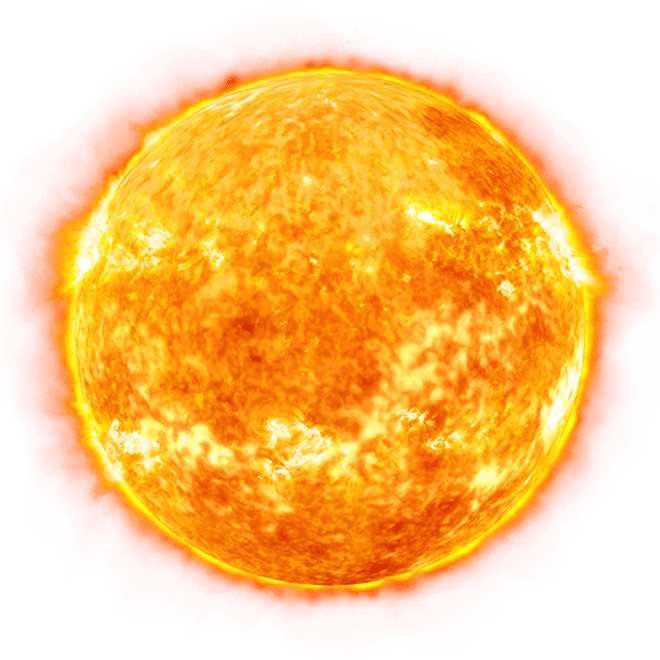
THE SOLAR SYSTEM
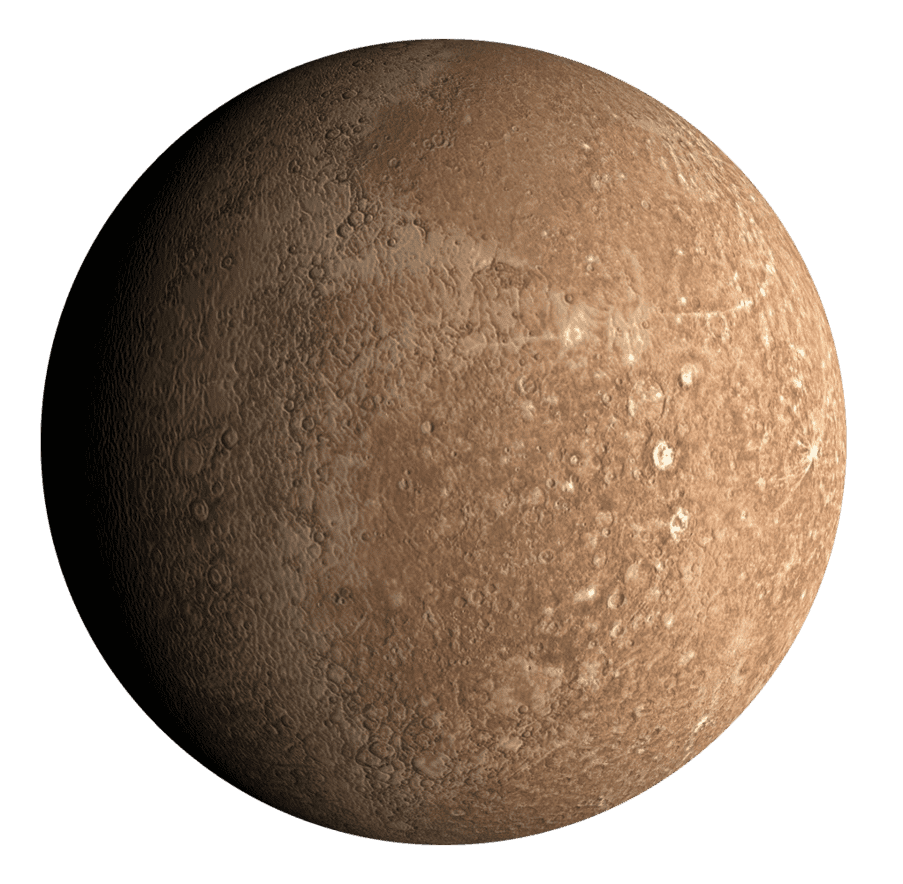
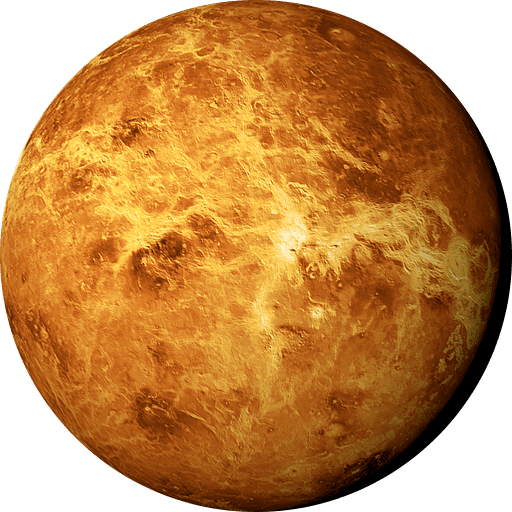
Venus
Venus is the second planet from the Sun and is Earth’s closest planetary neighbor. It’s one of the four inner, terrestrial (or rocky) planets, and it’s often called Earth’s twin because it’s similar in size and density.
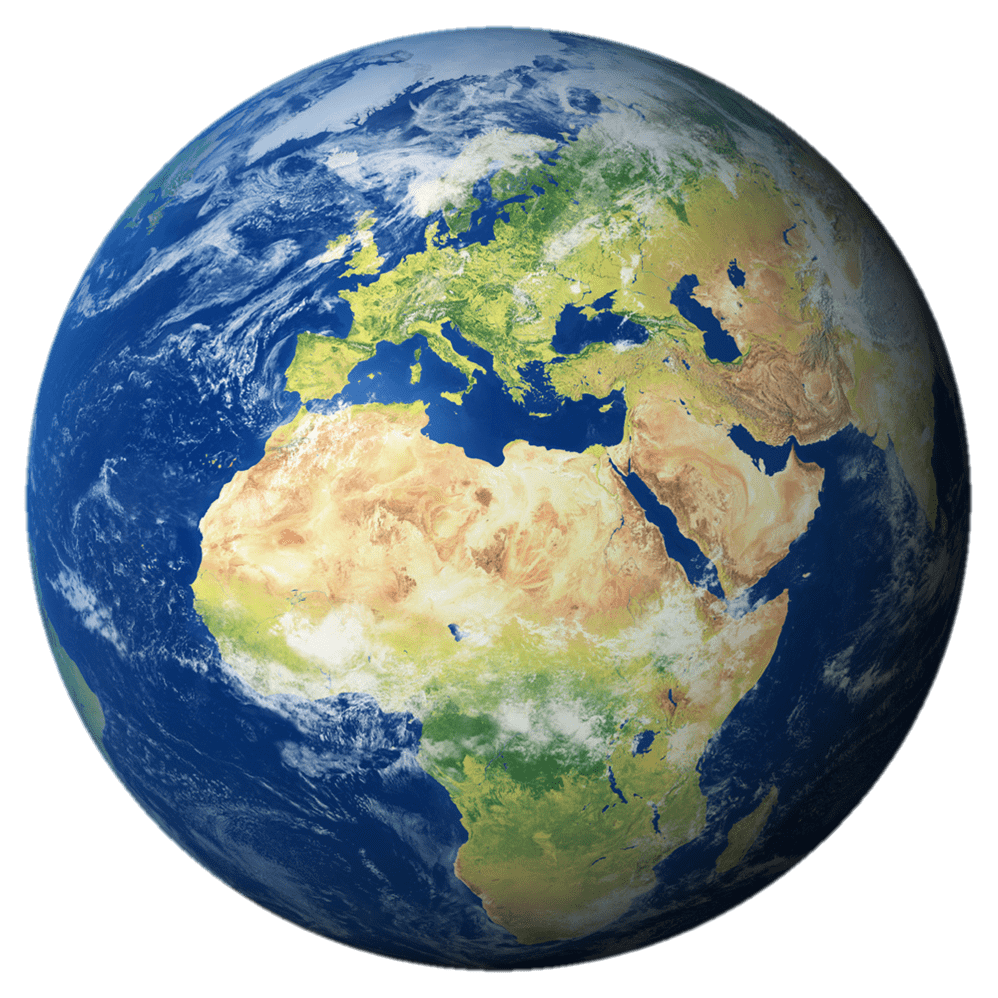
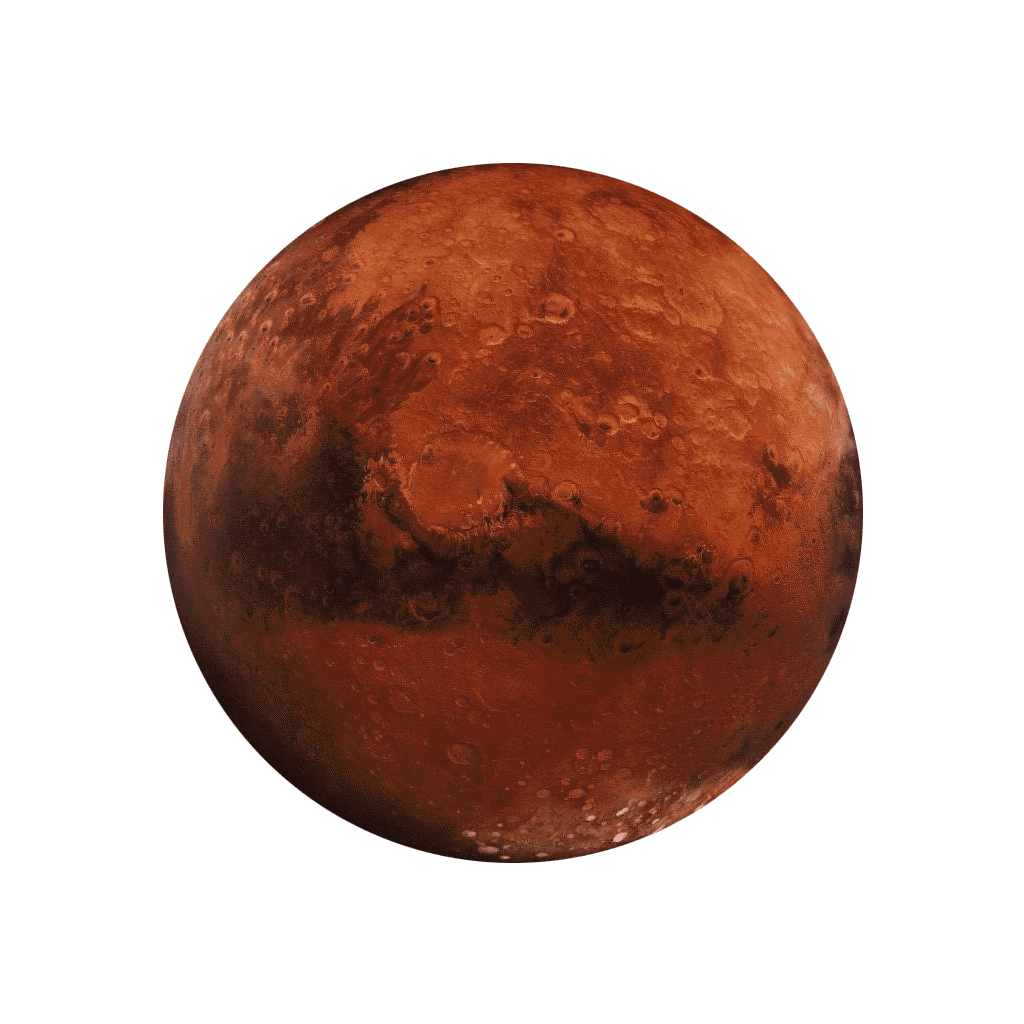
Mars
Mars is a dusty, cold, desert world with a very thin atmosphere. There is strong evidence Mars was – billions of years ago – wetter and warmer, with a thicker atmosphere.
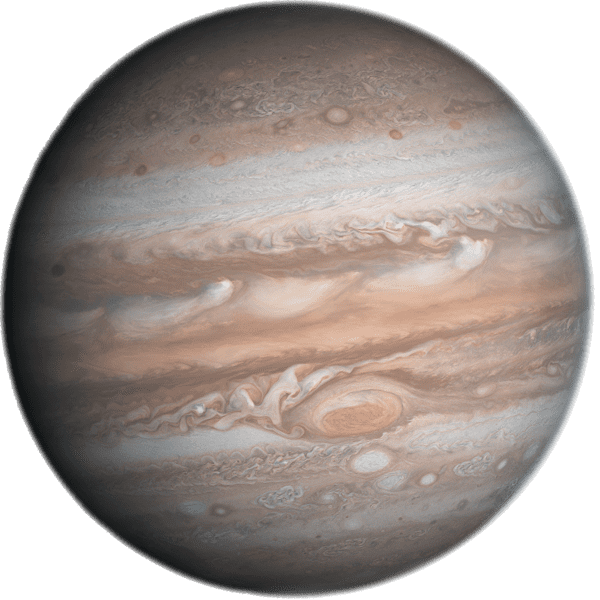
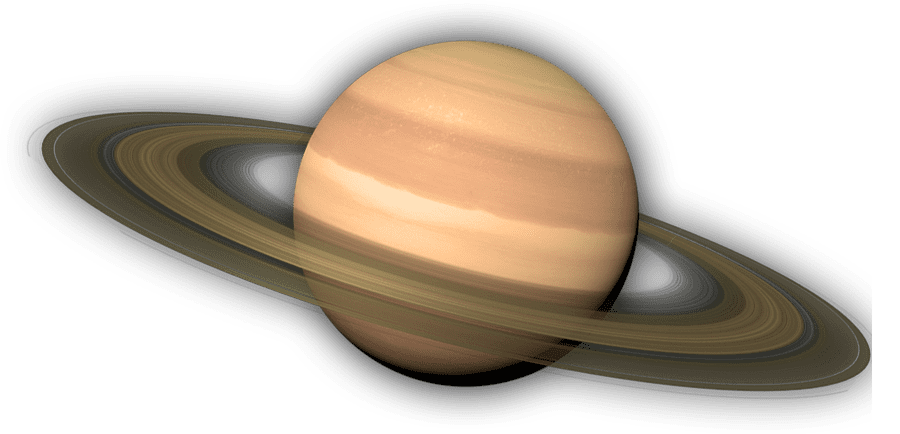
Saturn
Adorned with a dazzling, complex system of icy rings, Saturn is unique in our solar system. The other giant planets have rings, but none are as spectacular as Saturn's.
Neptune
Neptune—the eighth and most distant major planet orbiting our Sun—is dark, cold and whipped by supersonic winds. It was the first planet located through mathematical calculations.
Mercury
The smallest planet in our solar system and nearest to the Sun, Mercury is only slightly larger than Earth's Moon.
Earth
Earth—our home planet—is the only place we know of so far that's inhabited by living things. It's also the only planet in our solar system with liquid water on the surface.
Jupiter
Jupiter is more than twice as massive than the other planets of our solar system combined. The giant planet's Great Red Spot is a centuries-old storm bigger than Earth.
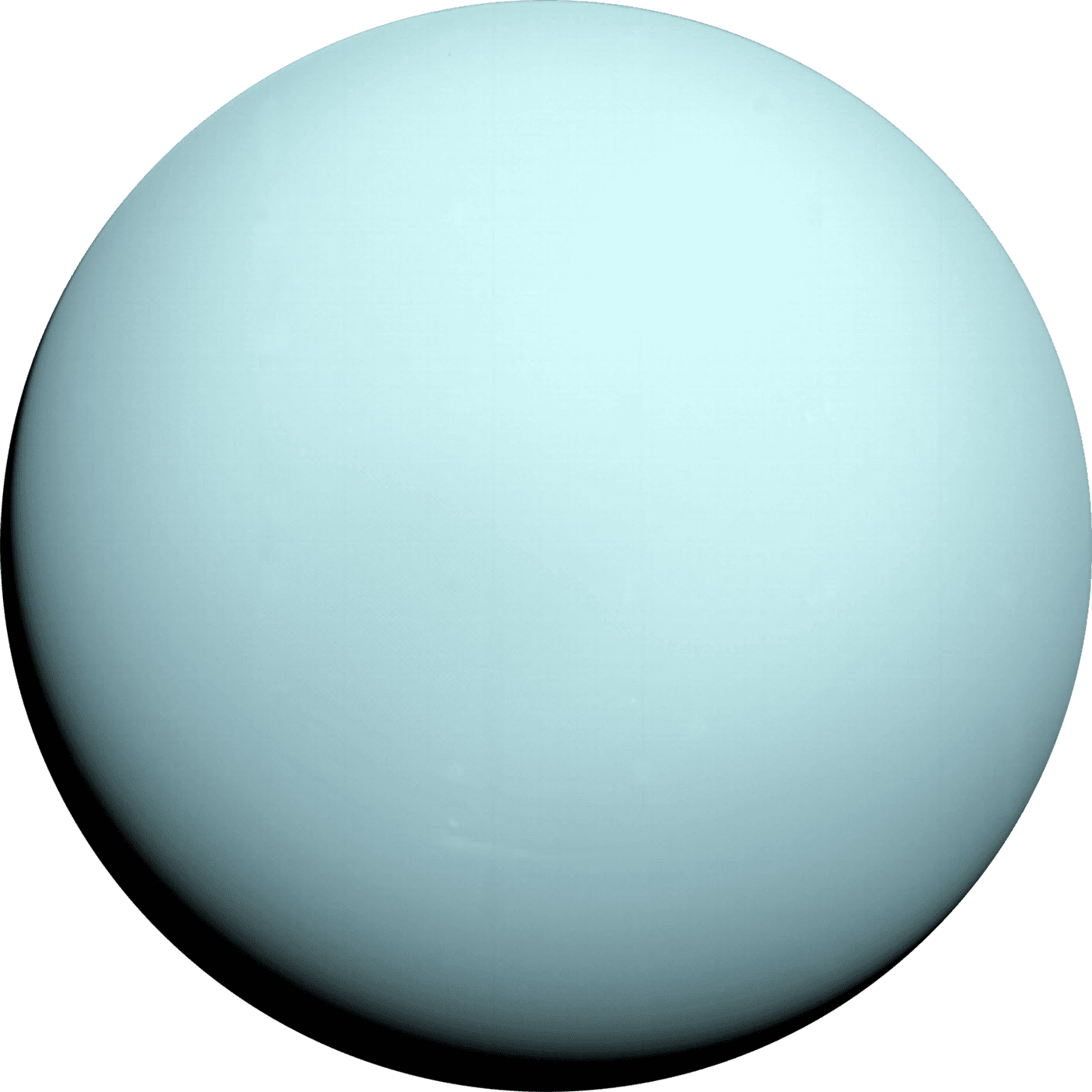
Uranus
Uranus—seventh planet from the Sun—rotates at a nearly 90-degree angle from the plane of its orbit. This unique tilt makes Uranus appear to spin on its side.
